Curb Appeal Upgrades for First Impressions
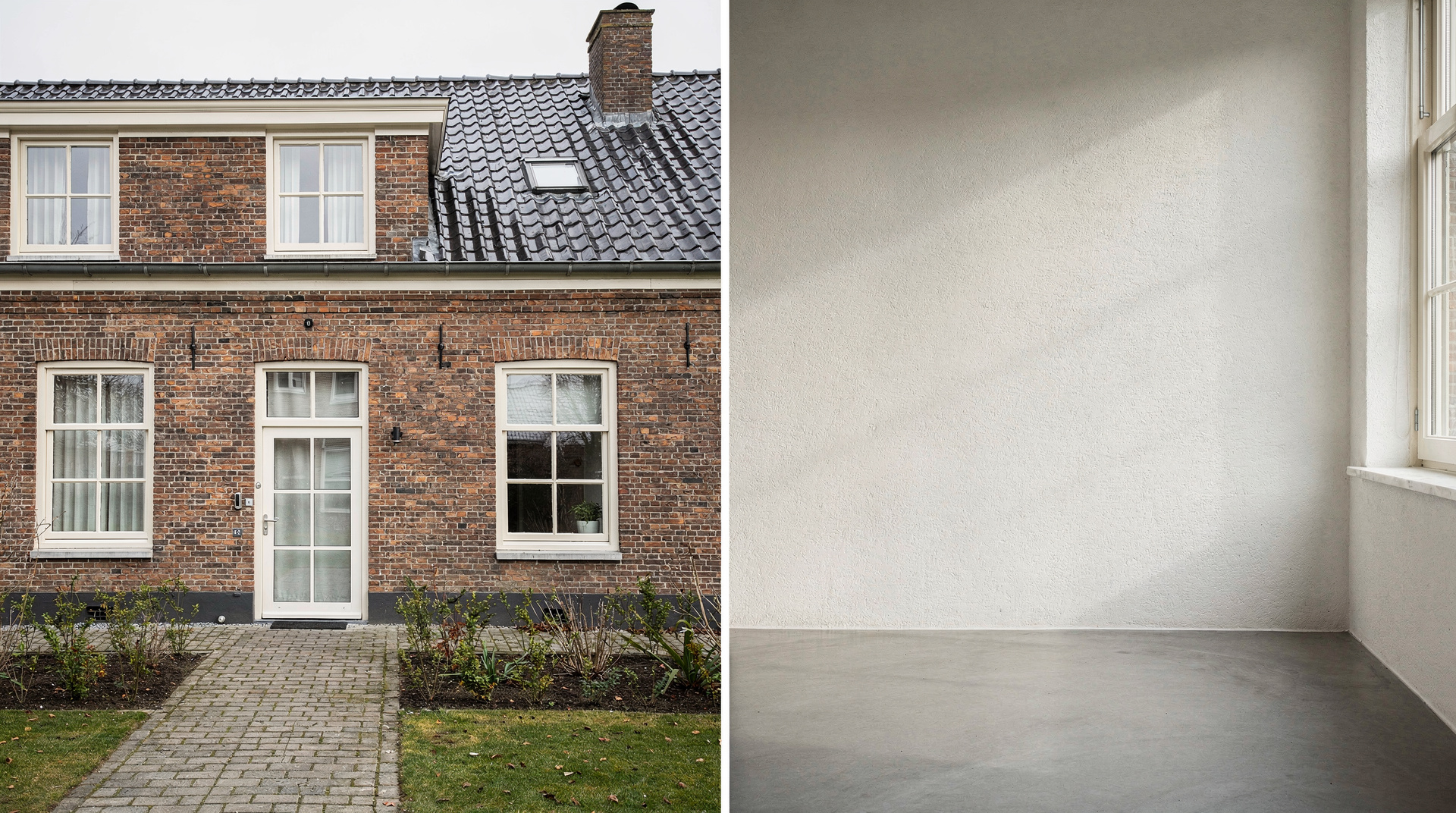
Imagine strolling along an Amsterdam canal or pedalling past the terraced rows of Eindhoven. Before a single window lights up, the house has told you its story. The brickwork speaks; the roofline sets the tone; the front door delivers the opening line. In the Netherlands, this exterior voice–curb appeal–is not mere vanity. It is a conversation between private ambition and public space, between historic streetscapes and a low-carbon future.
Yet the country presents a singular puzzle. How do you modernise a narrow nineteenth-century gevel without angering the neighbours? How do you satisfy a bouwvergunning officer who measures harmony with laboratory precision? And how do you choose sustainable building materials that survive both the salt winds of Scheveningen and the frost of Limburg?
This article explores home improvement Netherlands projects that begin at the front boundary. We examine how a house extension Amsterdam style can reshape a facade without shattering the streetscape, the 2026 renovation trends arriving on Dutch doorsteps, and why the outside is where your renovation journey begins.
Four Dutch Terms That Shape Your Facade Project
Think of these terms as the firmware of your project; ignore them, and the system stalls.
The Bouwvergunning
A bouwvergunning is formal permission from your gemeente to alter built fabric. Dutch spatial planning treats the street as a shared cultural asset, so your dream of a glass bay must survive scrutiny from officials who measure visual harmony in millimetres. Architects and permit consultants translate your desires into compliant drawings. Attempting to sidestep this process risks stop-work orders that freeze a site for months.
Welstand and Monument Status
If your home predates the 1970s, or sits in a protected cityscape, you may encounter welstand regulations or monument status. These labels require a philosophy of repair over replacement. Professionals must argue every substitution: new timber must match old grain, modern putty must echo original lime mortar. It is exacting work, and not a task for amateurs.
Energielabel and Building Physics
Since mandatory energy labelling, the Dutch facade has become a thermal instrument. The energielabel grades your home from A to G. Upgrading windows or adding insulation almost always alters the exterior. The modern renovation is therefore a juggling act between kerb appeal and kilowatt savings.
Erfpacht and Ownership
In Amsterdam and other cities, many residents own the building but not the land. This arrangement, erfpacht, means the municipality is your landlord. Major exterior works can trigger leasehold clauses. Confirm ground rights before commissioning render samples.
Why Does the Facade Matter So Much?
Psychologists have measured the speed of first impressions. In less time than it takes to blink twice, the brain assigns character traits to faces. Houses are judged with similar velocity. A sagging gutter or mismatched frame registers as neglect, triggering subconscious calculations about hidden damp and future repair bills.
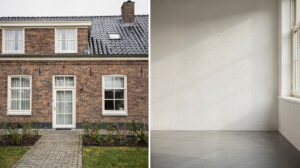
In the Netherlands, the stakes are social. Dutch streets are tightly choreographed. A single row might contain a nineteenth-century shopfront, a 1930s family home, and a post-war unit. Your facade is a paragraph in a collective narrative. Disrupt the grammar with glossy plastic cladding on a brick chronicle, and you create visual dissonance that alarms planners and irritates neighbours.
There is also the weather. The Dutch climate interrogates every material. Think of each season as an examiner with a different speciality:
- Autumn driven rain tests render adhesion and flashing details.
- Winter freeze-thaw cycles attack timber joints and stone.
- Thermal expansion and contraction quietly stress pointing and seals.
A facade that fails these tests becomes an expensive liability, however handsome it looked on day one.
House Extensions and the Streetscape
Adding space is a national preoccupation. Land is scarce, so homeowners build upward, backward, or downward. But how do you expand without vandalising the view from the pavement?
The Achteruitbouw
The rear extension preserves the front elevation while pushing living space into the garden. From the kerb, the house looks untouched; inside, it breathes. Yet Dutch soil is heavy with clay and peat. Excavating for foundations can disturb the water table and threaten neighbouring basements. Geotechnical surveys are essential before any spade enters the ground.
Dakkapellen and the Skyline
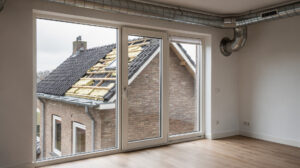
The dormer window, or dakkapel, punches through the roof to create attic headroom. When visible from the street, it is subject to strict dimensional rules. Amsterdam caps widths and pitches to protect historic roofscapes. Installing one is surgery on the house’s crown. It demands a roofer who can tie new timber into old trusses while maintaining ventilation that prevents condensation.
Side Extensions
Where plots allow, the zij-aanbouw turns side passages into kitchens or studies. Because these remain visible, planners restrict height and roof pitch. A skilled architect can sink the roofline below sight lines while introducing clerestory windows that flood the interior with light.
Matching Old and New
Think of an extension as a conversation between generations. If the new volume shouts while the original whispers, the street suffers. Architects often celebrate the joint with honest materiality–slightly different brick tones or contrasting timber grains. This principle sits at the heart of current Dutch home upgrade ideas.
Complete Renovations: Rebuilding the Face
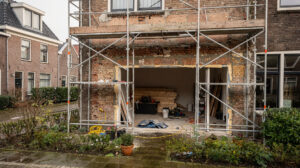
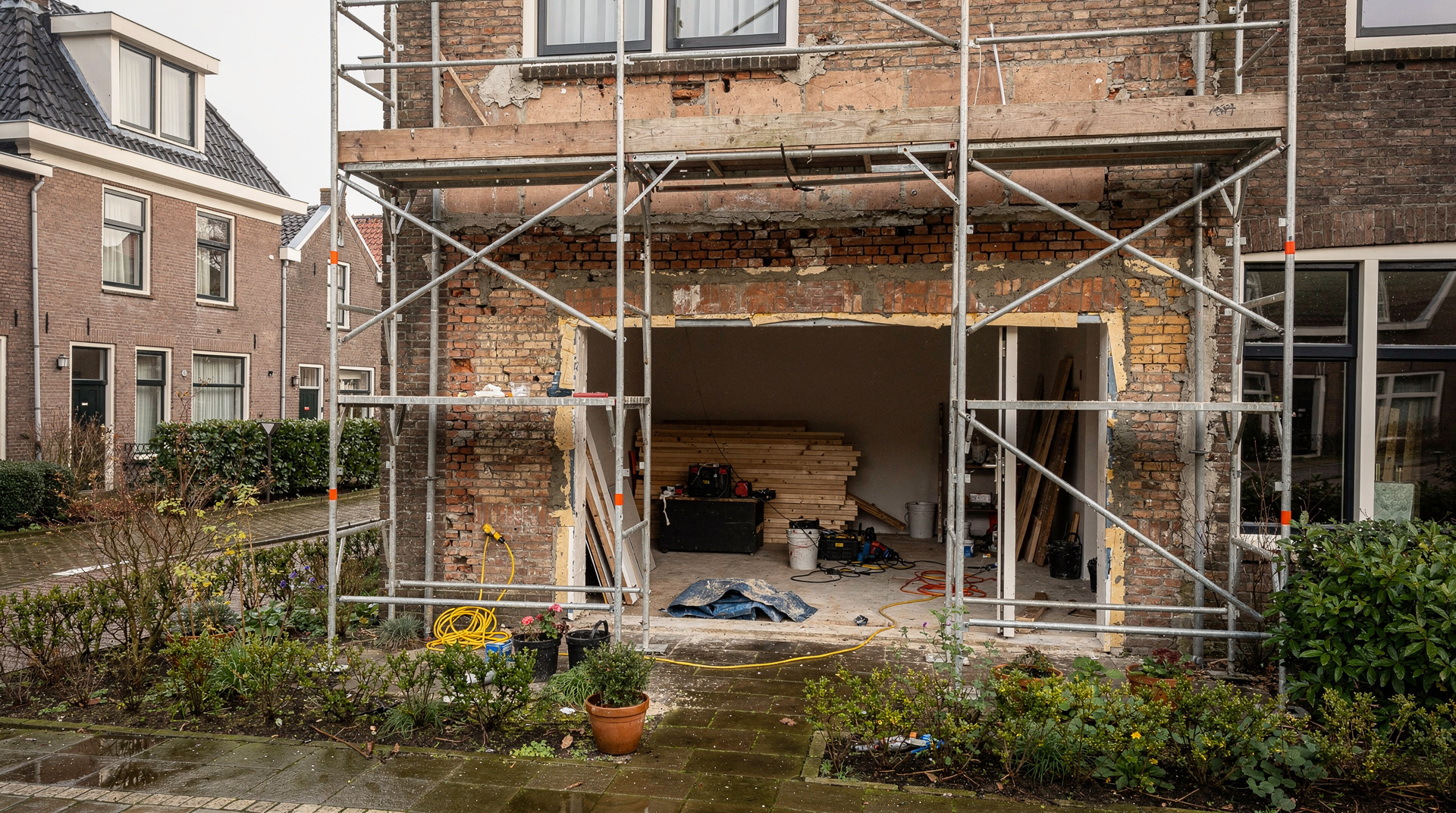
Sometimes the facade is too bruised to heal with patches. Peeling render and rotten frames signal a full reset. But a complete overhaul is controlled deconstruction, not improvisation.
Archaeology First
Dutch housing stock is layered. Before new materials arrive, professionals strip back strata to inspect the skeleton. Here lie the surprises: asbestos behind soffits, lead pipes, or timber rot creeping from the sills. Asbestos removal is strictly regulated; only certified firms may handle it, sealing the site like a forensic laboratory.
The Regulatory Frame
When renovation alters more than a defined percentage of the external envelope, Dutch law typically requires a full permit. Municipal welstandscommissies review plans for colour, proportion, and material. Some cities demand a visual impact assessment showing how your home will look in context. Engage with these filters early, through an architect fluent in local planning policy.
Integrated Design
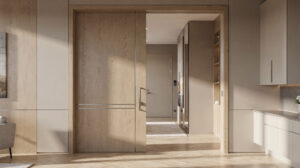
The best renovations treat the front door as the hinge between public and private worlds. In modern Dutch living spaces, oversized pivot doors are fashionable, yet they must still comply with burglar-resistance class RC2 and avoid thermal bridges. Every choice ripples outward. A new door demands a new frame; a new frame demands adjusted pointing. Professional project managers map these chains before construction begins.
2026 Renovation Trends
The 2026 renovation trends arriving in Dutch suburbs treat the exterior as a working surface, not merely a mask.
Living Walls
Urban density leaves little soil for ground-level planting, so greenery climbs the walls. Modular systems allow ferns and perennials to colonise vertical surfaces, scrubbing particulates and dampening traffic noise. But they require irrigation engineering and load calculations for saturated weight. A brown, dripping facade is worse than bare brick.
Honest Materials
Fashion has tilted toward the monochrome and tactile. Charred timber cladding offers deep blacks that complement traditional red brick without mimicry. The carbonised surface resists rot without chemical preservatives. These materials age gracefully, showing their true colours rather than disguising themselves.
The Glass Threshold
Steel-framed glazing, reminiscent of factory architecture, is reappearing on residential streets. Slim profiles permit larger panes than bulky uPVC frames. Yet glass is a poor insulator on its own. The 2026 specification couples steel aesthetics with thermal breaks and argon-filled triple glazing. Installation is unforgiving; a millimetre of misalignment invites the winter wind inside.
Rainwater Architecture
Climate adaptation has moved from basement pipes to roof design. Cascading downpipes and collection troughs turn Dutch deluges into kinetic sculpture. By controlling where water hits the ground, you reduce erosion and relieve overloaded drains.
Materials for the North Sea Climate
The North Sea climate is an endurance test. Salt mist and frost form an alliance against anything flimsy. Selecting sustainable building materials means picking substances that survive this alliance while shrinking your carbon footprint.
Brick and Reclaimed Masonry
Brick is the Netherlands’ geological signature. Modern kilns now capture emissions and blend lower-carbon binders. Reclaimed brick from demolished factories carries a patina no new firing can replicate. For plinths exposed to ground moisture, engineered stone resists capillary action better than porous concrete.
Advanced Timber
Accoya and thermally modified ash resist decay without toxic preservatives. They age to soft greys that suit Dutch light. Unlike composites, they breathe, moving with humidity. They do, however, require professional detailing around fixings. Stainless steel systems prevent the water traps that doom cheaper installations.
Glass Science
Triple glazing is now the benchmark for house renovation Netherlands projects. Low-emissivity coatings act like selective mirrors: they bounce heat back into the room while admitting daylight. Installing this demands perfection. Seals must be continuous, and drainage slots unobstructed. A single blocked weep hole turns a window surround into a breeding ground for mould.
Breathable Insulation
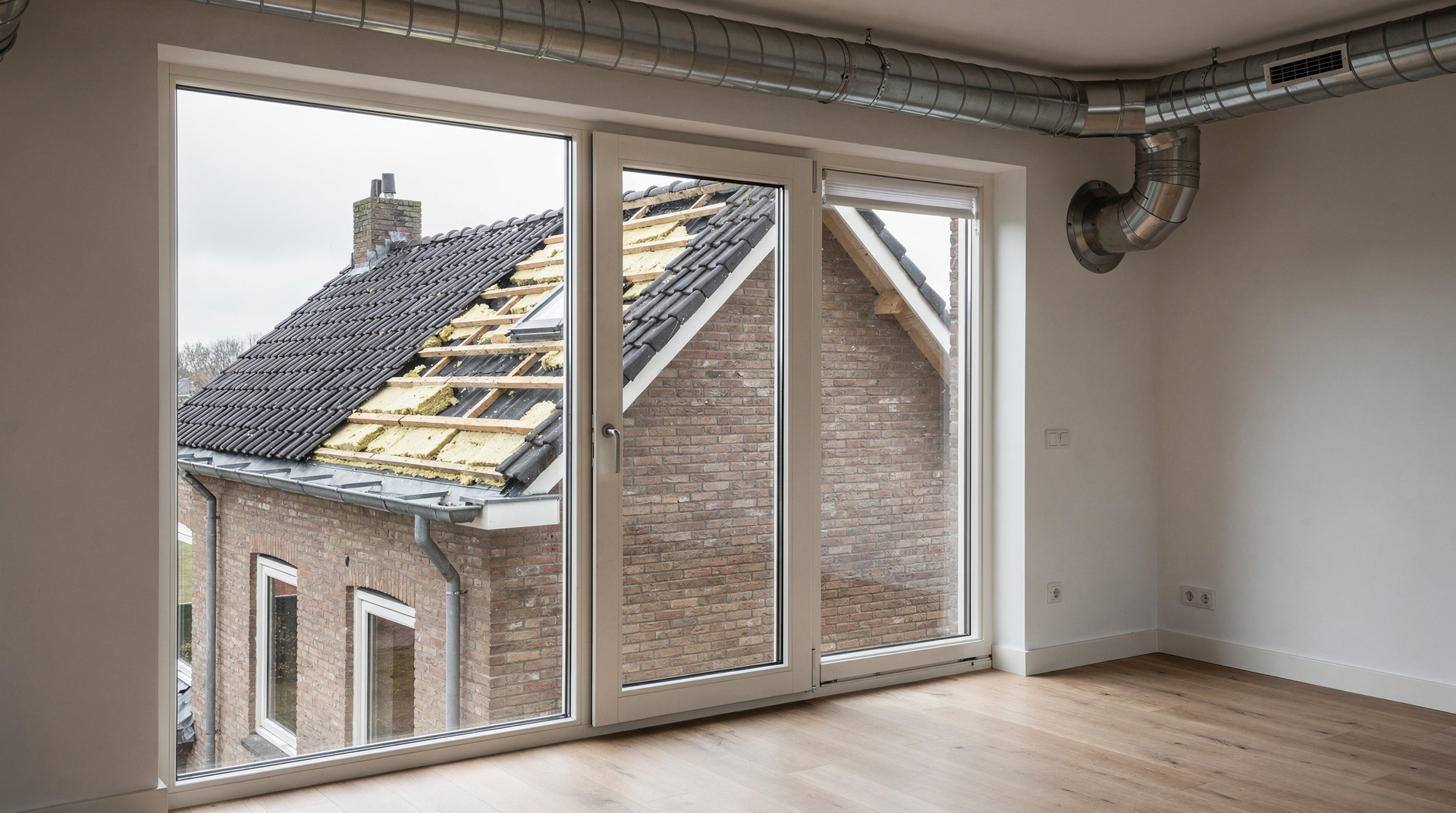
Insulating an old house from the outside is like wrapping it in a winter coat that must breathe. Wood-fibre and hemp-lime insulations allow vapour to escape while blocking wind. Finished with mineral render, they accommodate seasonal brick movement. Cement render, by contrast, is rigid. Trapped moisture freezes, expands, and blows the face off the brick.
Surveys, Gemeente Advice and Material Choices
Here are the best renovation tips Netherlands professionals recommend for a successful exterior upgrade. Each assumes you will engage architects, engineers, and certified contractors.
- Commission a pre-design survey. Let a professional inspect the facade, roof, and foundations. Hidden faults discovered after scaffolding goes up cost far more to remedy.
- Visit the gemeente early. Discuss intentions with the bouwadvies desk. Understanding the bouwvergunning pathway shapes a realistic budget and timeline.
- Hire an architect with local tenure. Regulations differ between Rotterdam’s harbour zones and Utrecht’s medieval core. A professional who has passed through your municipality’s committees will anticipate objections.
- Match materials to your postcode. Coastal zones demand salt-tolerant fixings; inland clay regions need flexible mortars. Ask your contractor for specifications suited to your microclimate.
- Invest in roofline details. Fascias and guttering are the eyebrows of the building. If they sag, the entire house looks tired. Replace concealed gutters only with systems engineered for peak Dutch rainfall.
- Unify the entrance. Treat the door, canopy, and path as one composition. Specify a door that meets RC2 security grading and thermal standards. Ensure step heights comply with accessibility norms.
- Coordinate energielabel upgrades. Plan insulation, glazing, and heating as one package. Moving up an energy class increases property value and satisfies national targets.
- Budget for archaeological surprises. Once builders open a century-old wall, they may find compromised lintels or dormant chimney structures. A contingency of at least fifteen percent absorbs these shocks.
- Design exterior lighting with precision. Use warm LEDs with full cut-off shields. Downward-directed fixtures reduce light pollution and keep neighbours content.
- Photograph every layer. Document demolition and construction in high resolution. These images serve as a record for future maintenance and protect your interests during warranty periods.
- Plan maintenance before the scaffold drops. Ask for a written maintenance schedule. Timber needs re-oiling; render needs repointing. Knowing the rhythm of care prevents premature decay.
The Final Impression
A facade is more than packaging. In the Netherlands, it is a civic gesture, an environmental shield, and a financial asset woven into one. The most successful home improvement Netherlands projects recognise that first impressions are built from the ground up–on proper foundations, under valid permits, with materials selected to outlast the decades.
The 2026 renovation trends tell a clear story: Dutch homeowners want exteriors that are honest, efficient, and alive to their context. They want brick that breathes, glass that insulates, and extensions that converse with the street rather than shouting over it. Achieving this requires patience, professional expertise, and a willingness to treat the house as part of a larger whole.
Your home’s first impression is fixed in brick, glass, and timber. Make it honest. Make it last. And above all, make it a reflection of the modern Dutch living spaces that honour both innovation and heritage.