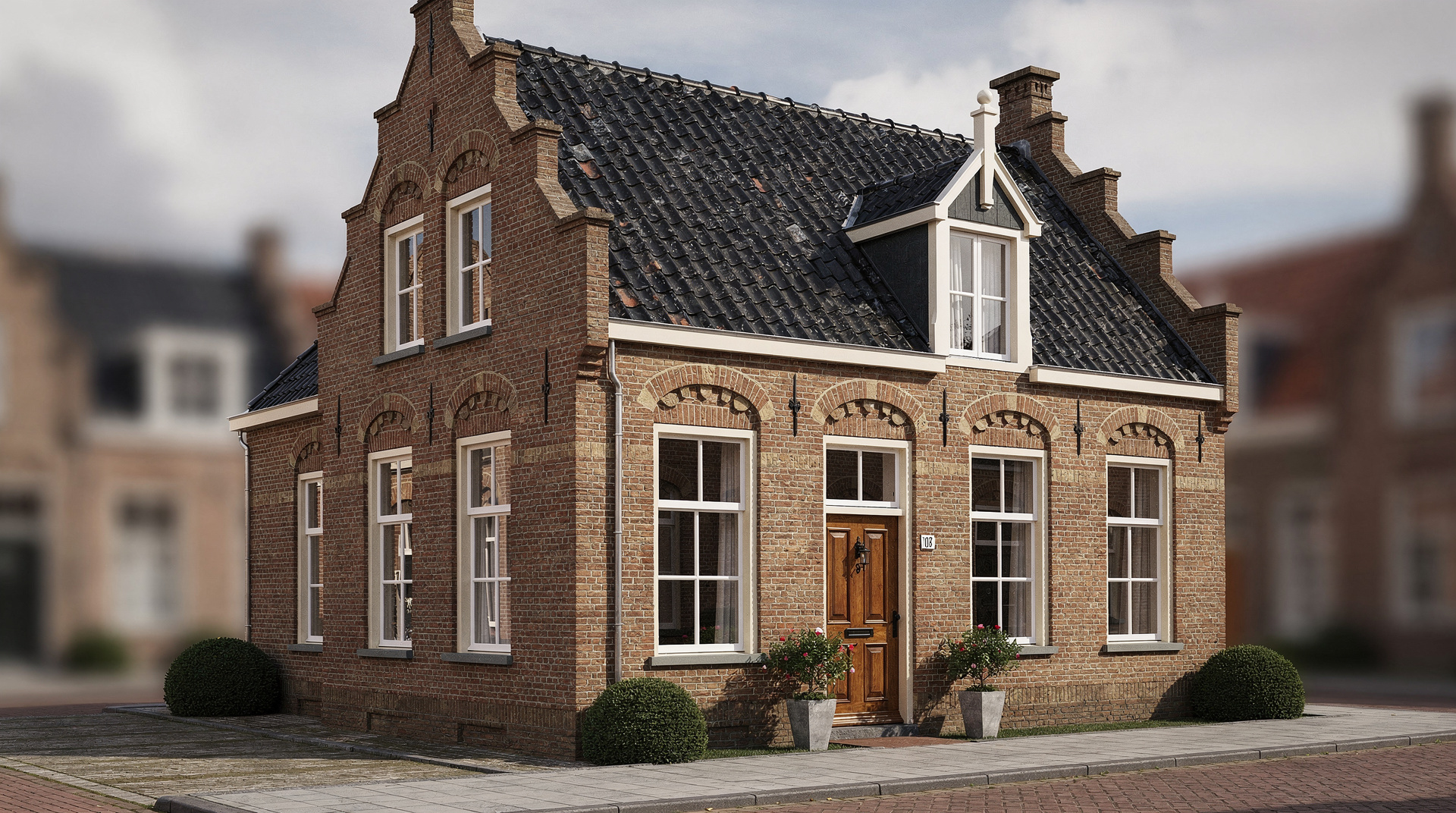
Historic Home Restoration in the Netherlands
Some Dutch front doors have welcomed residents since the Golden Age. The floorboards slope like the deck of a ship. The windows are wavy with centuries of gravity. Restoring historic homes Netherlands is not simply a renovation project; it is an act of archaeology wrapped in architecture. But what drives modern homeowners to take on buildings that creak, leak, and stubbornly resist open-plan living? And how do you drag a 17th-century canal house into the present without erasing its soul?
This is the puzzle facing thousands of owners from Amsterdam to Middelburg. Across the country, interest in heritage property renovation NL is climbing as buyers reject disposable new-builds in favour of character and permanence. Yet the path is strewn with rules, rotting timber, and expensive surprises.
What Rijksmonument and Gemeentelijk Monument Mean
Before scaffolding goes up, you need to speak the language of Dutch preservation. The Netherlands classifies its old buildings through a strict hierarchy that determines what you can alter, paint, or insulate.
- Rijksmonument: A national monument protected by the central government. Think of it as a building with a passport; its value extends beyond the owner to the country. Any change to the exterior, and often significant interior features, requires national consent.
- Gemeentelijk monument: A municipal monument. Local authorities guard these structures because they shape the identity of a neighbourhood. Rules vary by city, but the facade and original roofline are usually untouchable.
- Bouwvergunning: The building permit. Even if a house lacks monument status, a bouwvergunning is often required for structural changes, extensions, or alterations visible from the street.
- Monumentenvergunning: A specific heritage permit needed for work on listed buildings. Standard permits do not cover protected elements.
- Omgevingswet: The Environment and Planning Act that now governs all construction, noise, and spatial design. It dictates how your project interacts with its surroundings and streamlines various permits into a single system.
- Houten paalfundering: Wooden pile foundations common in cities like Amsterdam, where structures rest on tree trunks driven deep into the soggy ground. Over centuries, these piles can decay or sink.
- Monumentenzorg: The collective term for heritage protection officers and advisory bodies who review your plans.
Understanding these labels is essential. An old house in the Jordaan and a formally designated rijksmonument on the Herengracht live under entirely different legal gravity.
What Makes a Dutch Home “Historic”?
Age alone does not guarantee status. The Netherlands contains millions of pre-war houses, but only those with architectural, cultural, or historical significance receive official protection. A typical rijksmonument might date from the 17th to the mid-20th century, encompassing canal houses, farmsteads, industrial warehouses, and early modernist villas.
The distinction matters because heritage status functions like a protective wrapper around original materials and proportions. Owners often discover that removing a single Victorian bay window or replacing traditional sash fittings triggers legal penalties. The government is not being difficult for the sake of it; once original features are gone, they are gone forever. The law treats these elements as public cultural property temporarily housed in private ownership.
The Permission Maze: Permits and Regulations
So you want to add a bathroom, knock through a wall, or build a rear extension. Where do you start?
First, determine whether your property carries rijksmonument or gemeentelijk monument status. You can check the national monument register or your local authority’s website. If the answer is yes, you are not merely applying for a bouwvergunning; you are entering a conversation with history itself.
For many heritage buildings, standard renovation rules do not apply. Protected structures require a monumentenvergunning for alterations to:
- Facades, including paint colour and mortar composition
- Roof shape, pitch, and covering materials
- Windows, doors, and their associated hardware
- Original interior staircases, panelling, or decorative plasterwork
- Visible chimneys and gables
Consider the permit process as similar to peer review in science. Your proposal is examined not only for safety and engineering, but for cultural accuracy. Does the new roof tile match the original profile? Is the lime mortar recipe compatible with the centuries-old brick? These questions filter out quick fixes.
Since the introduction of the Omgevingswet, many permit applications now flow through a single digital counter, but do not mistake efficiency for leniency. Heritage officers still scrutinise each detail. Unauthorized work on a listed building can result in steep fines and compulsory reversal at the owner’s expense. A beautiful modern kitchen loses its charm when you must legally rebuild the load-bearing wall you removed.
The Hidden Anatomy of Old Dutch Houses
Why are these buildings so high-maintenance? To answer that, you have to look beneath the wallpaper and beyond the charming facade.
Many historic homes in the Randstad rest on houten paalfundering. These wooden piles, driven through soft clay into firmer sand layers, act like stilts in a swamp. When the water table drops due to nearby construction or summer drought, the submerged portions of the piles can rot. The result is subsidence: cracks in walls, stuck doors, and floors that roll like dunes. Repairing a pile foundation is not a weekend job. It requires specialised contractors who can either replace piles or inject resin to stabilise the existing structure.
Then there is the question of breathability. Historic walls were built with lime-based mortars and porous bricks designed to absorb and release moisture like a sponge. Slap modern cement render on the outside and you effectively seal the wall in a raincoat. Trapped moisture freezes in winter, blows off the facade, and breeds mould behind the skirting boards. Lime plaster, by contrast, expands and contracts with the seasons, allowing the building to exhale.
Electrical and plumbing systems present another layer of complexity. Many historic homes still contain remnants of early wiring or lead piping. Upgrading to modern standards means threading new infrastructure through narrow cavities and thick masonry without drilling through protected ornamental ceilings. Every new channel is a negotiation between convenience and conservation.
Materials That Bridge Centuries
If you are undertaking heritage property renovation NL, your material choices carry real weight. The wrong product can accelerate decay. The right one can add another hundred years to the lifespan.
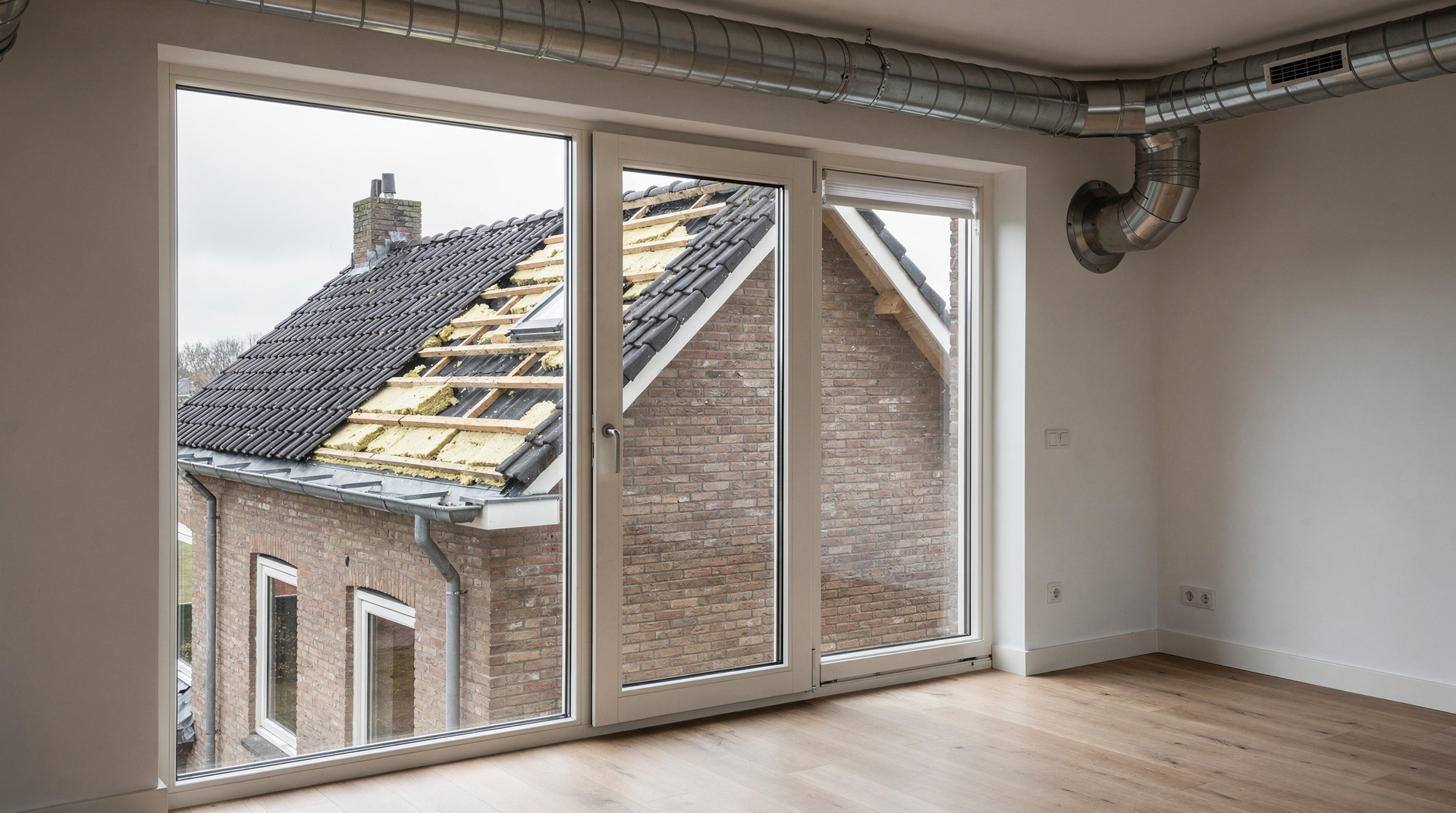
Take insulation. Dutch monuments are notoriously difficult to heat. Yet heritage officers often forbid external insulation because it alters the facade thickness and detailing. The solution? Internal insulation using breathable, natural products. Wood fibre boards, cork, and calcium silicate can raise thermal performance without turning the walls into a terrarium.
Paint is another hidden science. Modern acrylic paints form an impermeable skin over lime plaster. Over time, they blister and peel as salts push outward from the masonry. Traditional lime washes and mineral paints bond chemically with the wall and allow it to breathe. Choosing the correct finish is like selecting a moisturiser for sensitive skin: it must protect without clogging.
Window restoration is another battleground. Aluminium or PVC frames are usually rejected for street-facing elevations. Instead, craftspeople repair existing timber sash frames using epoxy resins, splice in matching hardwood to replace rotted sections, and install thin double glazing where authorities permit it. The result preserves the sightlines and proportions that define the building’s character.
Roofing materials also demand attention. Traditional Dutch pantiles or reed thatch require specialist installation. On some Amsterdam canal houses, replacing a roof is only permissible if the new tiles are baked in the same dimensions and colours as the originals. Sustainable building materials such as reclaimed brick, certified oak, and low-impact lime are increasingly favoured because they carry lower carbon footprints while satisfying conservation officers.
Modern Trends in a Historic Frame
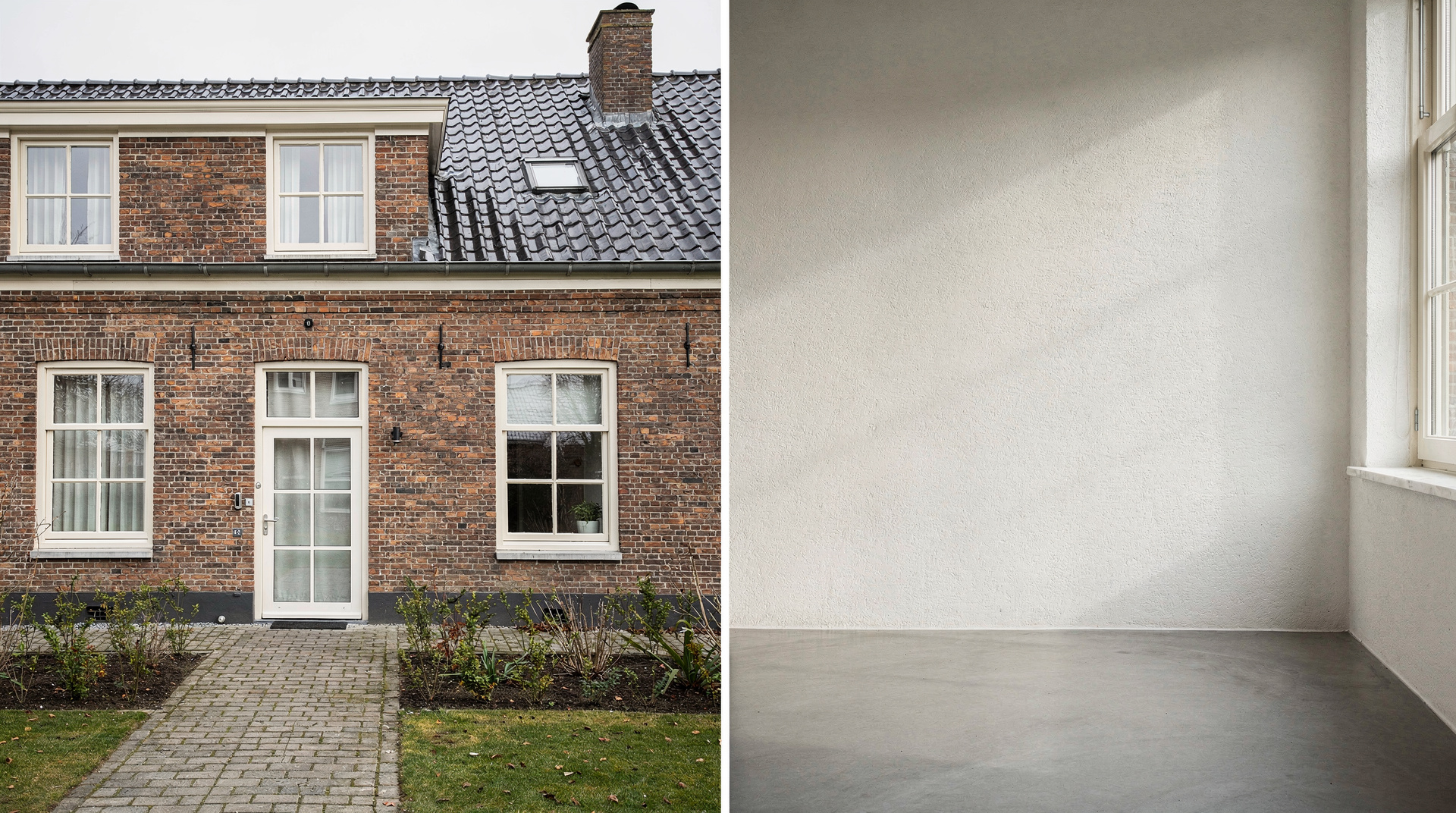
Restoration in 2024 looks different from the heavy-handed renovations of the 1980s. Today, the best projects wear their modernity lightly.
One growing trend is the invisible intervention. Climate systems, LED wiring, and kitchen pipework are threaded through existing voids or concealed behind custom panels that mimic original joinery. The technology is present, but it does not shout. Even security systems and speakers can be hidden within restored mouldings.
Extensions are handled with similar humility. In cities where space is tight, a house extension Amsterdam project often grows backward into the garden or downward into a cellar, leaving the street facade untouched. These rear additions create modern living space while preserving the uniform “gevel” lines that give Dutch streets their postcard appeal. The same logic applies across Utrecht, Leiden, and Groningen: hide the bulk, honour the front.
Energy transition is also knocking on the oak door. Homeowners want heat pumps, solar panels, and better sealing. Yet rijksmonument rules frequently ban rooftop panels on front-facing roofs. The compromise? Low-temperature heat pumps paired with underfloor heating, placed in basements or garden sheds, and solar arrays hidden on rear outhouses. These adaptations prove that house renovation Netherlands style can honour tradition while cutting carbon.
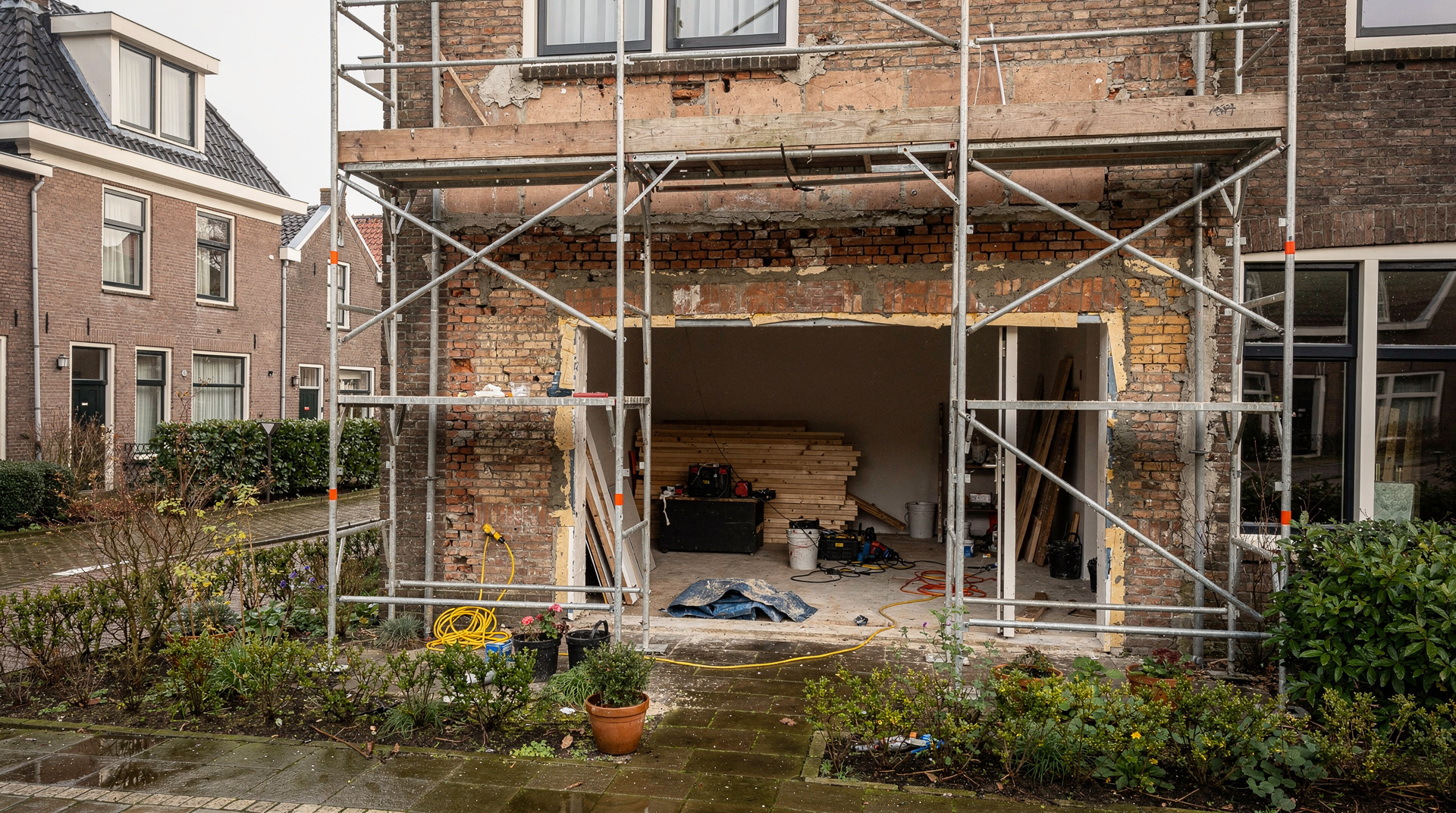
Another movement is the “slow renovation.” Rather than gutting a house in six months, owners spend years studying how the building behaves through the seasons. They note where damp appears, how light shifts, and which boards creak before drawing final plans. This patience often yields better outcomes than aggressive demolition.
When to Restore and When to Replace
Every owner faces the tipping point between saving an element and rebuilding it. This is where professional judgement becomes non-negotiable.
Original floorboards can often be lifted, consolidated, and relaid. Decorative plaster ceilings can be stabilised with lime injections rather than demolished. Even severely rotted window frames can be spliced if enough original timber remains. The guiding principle among conservationists is minimal intervention. Change only what is necessary, and make any new work reversible where possible.
Safety still overrides aesthetics. If a foundation is collapsing or asbestos-laced pipe insulation from a 1970s update is crumbling, replacement is the only sane route. The key is to document everything before it disappears. Photographs, mortar samples, and paint scrapings help artisans replicate what was lost.
Specialists, Surveys and a Twenty Percent Buffer
If you are ready to take on a historic property, treat the following steps as your foundation:
- Hire a monument-experienced architect. General contractors may excel at modern builds, but heritage properties demand professionals who understand Dutch conservation law and traditional building physics.
- Contact your local monumentenwacht before you buy. Many municipalities offer advisory visits that reveal restrictions and repair priorities before you sign the deed.
- Commission a structural survey focused on pile condition and moisture pathways. Do not rely on a standard homebuyer’s report.
- Document the building photographically before touching anything. Create a visual archive of every room, joint, and moulding.
- Apply for your monumentenvergunning early. Approval timelines can stretch for months, especially in cities with large historic districts.
- Match the vapour permeability of new materials to old ones. If the original wall breathes, your insulation and plaster must do the same.
- Budget at least twenty percent extra for unforeseen discoveries. Peeling back layers often reveals water damage, outdated wiring, or undocumented previous alterations.
- Never remove structural walls without a licensed engineer’s assessment. Historic load paths do not always follow modern logic.
- Investigate restoration subsidies before work begins. Some provinces and municipalities offer financial support for energy upgrades or facade repairs on listed buildings.
- Engage specialised restorers for ornamental details. Stucco, gable sculptures, and stained glass require hands trained in traditional techniques, not standard trades.
The Human Reward of Heritage Ownership
Why endure the permits, the cost overruns, and the rigid material rules? Because restoring historic homes Netherlands offers something no new-build can replicate: continuity. When you repair a 19th-century staircase or uncover an original Delft tile hearth, you are touching the same surfaces once handled by merchants, artisans, and families who shaped Dutch society.
Heritage property renovation NL is ultimately a partnership between past and present. You are not the first occupant, nor will you be the last. The choices you make today–whether to use lime or cement, to repair or replace, to insulate sensitively or seal the walls–determine how vividly this piece of history survives into the next century.
Approach the project with patience, assemble the right team, and respect the building’s original voice. Do that, and you will not only own a home. You will have earned the right to call yourself its guardian.