Accessible Homes for All Generations: The 2026 Blueprint for Dutch Renovations
A house that has to suit a toddler, a teenager and a grandparent at the same time is planned differently from one built for a single stage of life. In the Netherlands, with its dense urban fabric and ageing housing stock, that is changing how renovations get designed. It’s no longer just about aesthetics or adding square metres; it’s about future-proofing our most personal space. Turning a standard Dutch house into an accessible home for 2026 and beyond comes down to the permit route, the materials, and a layout that still works when the people living in it change.
Building Blocks: Key Dutch Concepts You Need to Know
Before sketching your dream home, you need to speak the language of Dutch building. Two concepts matter most, and confusing them can lead to costly delays.
- Bouwvergunning (Building Permit): This is the official green light from your municipality. You typically need one for structural changes like an extension, altering the roof, or changing the façade. The process checks if your plans fit within local zoning rules, known as the bestemmingsplan.
- Omgevingsvergunning (Environmental Permit): Since the introduction of the new Environmental Act (Omgevingswet), this is often the umbrella term. It streamlines various permits, including the building permit, into a single procedure. Think of it as the government’s way of assessing your project’s total impact on its surroundings.
A third, often-overlooked rule is the Bouwbesluit (Building Decree). This isn’t a permit but a thick book of national technical standards. It dictates everything from minimum ceiling heights and stair dimensions to insulation values and window sizes. For accessibility, the Bouwbesluit is your rulebook, especially if you’re planning for reduced mobility.
The Heart of the Home: Rethinking Spaces for Multigenerational Living
The classic Dutch terraced house, with its steep stairs and compact rooms, is the hard case. The 2026 trend isn’t just about making spaces bigger, but making them smarter and more flexible.
The Ground Floor Revolution
Creating a fully accessible bedroom and bathroom on the ground floor does more for ageing in place than any other change. This goes beyond just fitting a walk-in shower. It involves:
- Doorways and Circulation: Widening all doorways to at least 90cm for wheelchair access and ensuring clear, turning circles in halls and rooms.
- Zero-Threshold Living: Eliminating steps between rooms and, crucially, at the home’s entrance. This often requires carefully levelling floors and choosing slim, weather-resistant threshold profiles.
- Wet Room Design: Modern, tanked bathrooms where the entire floor is subtly sloped toward a drain allow a shower area to be part of the room without a tray.
Flexible Walls and Convertible Rooms
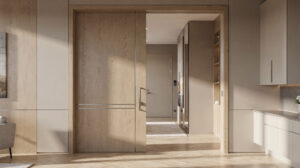
A home office turns into a guest room, and a playroom into a quiet study, through non-load-bearing partition walls and flexible furniture systems. Sliding or folding walls, much more sophisticated than old-fashioned partitions, allow spaces to be opened up or closed off as needs change over years, not just days.
The Materials Making It Possible: Smart, Sustainable, and Strong
The Dutch market is moving rapidly towards solutions that are kind to both people and the planet.
- Advanced Timber Frame Construction: For extensions, prefabricated timber frames are precision-engineered off-site, leading to faster, drier construction. Paired with high-performance insulation like cellulose or wood fibre, they create a warm, quiet, energy-efficient shell.
- Vinyl Flooring 2.0: Forget the thin sheets of the past. Modern luxury vinyl tile (LVT) is rigid, durable, and good for threshold-free installation across large areas. It’s warm underfoot, easy to clean, and provides a slight cushion that is easier on joints.
- Composite Cladding and Decking: For exterior updates or garden rooms, composites made from recycled wood and plastics offer a maintenance-free, splinter-free surface that is ideal for safe outdoor living, without the annual sanding and staining of traditional wood.
Navigating the Rules: Your Permit Strategy
How do you convince your local council that your accessible renovation is a good idea? The key is preparation and understanding their priorities.
- Start with a Pre-Consultation (Vooroverleg): Most municipalities offer this free or low-cost meeting. It’s your chance to present preliminary ideas and get direct feedback from a planning official. This can save months of time by steering you clear of non-starters.
- Emphasise Sustainability and Social Value: Frame your project within broader goals. Explain how improving energy efficiency (like triple glazing and superior insulation) and enabling ageing in place align with national and local policy. A well-argued project is harder to refuse.
- Work with a Certified Architect or Advisor: Their expertise is invaluable. They know how to draft plans that comply with the Bouwbesluit and present them in the formal language the municipality expects. This professional involvement makes your application more credible.
Steps for Your Accessible Renovation
- Hire a Professional First. Engage an architect or specialised renovation advisor before you fall in love with a specific design. They will help you define what’s possible within your budget, plot, and local rules.
- Audit Your Current Home. Walk through your house with a critical eye. Where are the pinch points? Where would a stretcher need to go in an emergency? This practical exercise will ground your wish list in reality.
- Prioritise the “Unsexy” Upgrades. Before choosing kitchen cabinets, invest in the foundational elements: superior insulation, an efficient heating system (like a heat pump), and a weathertight shell. This saves money long-term and creates the comfortable base for everything else.
- Plan for Invisible Technology. Conduit for future cabling, reinforced walls for later grab bars, and smart home infrastructure for lighting and security should be installed during the messy construction phase, not added later.
- Choose a Builder with Proven Experience. Look for a construction company with a portfolio that includes similar accessible projects. Don’t just ask for quotes; ask for references and visit their past work to see the quality firsthand.
Building a Home for Life
The most forward-thinking Dutch home renovations of 2026 are moving beyond temporary style. They build comfort and adaptability into the structure itself. That takes planning, the right materials and a working knowledge of Dutch regulations, and what you end up with is a house that still fits the family when the family changes.